
Metal fabrication processes: the main types of mechanical metalwork
From design to production: key metal fabrication processes for industrial components and structures
Metal fabrication covers a range of processes used to turn sheet metal, tubes, profiles and other semi-finished metal products into components and structures for machinery, industrial equipment and other industrial applications. It brings together a variety of technologies and specialist skills, from material preparation to cutting, bending, welding, drilling, CNC machining and final assembly. Each stage is planned around the specific requirements of the project, taking into account factors such as material type, thickness, geometry, dimensional tolerances, production volumes and the conditions in which the finished component will operate.
In industrial metal fabrication, the quality of the finished product depends not only on the accuracy of each individual operation, but also on how effectively the entire manufacturing process is managed and coordinated. Cutting accuracy, precise forming, weld quality and dimensional inspection are closely interconnected: an error at an early stage can affect subsequent assembly and, ultimately, the performance of the finished product. This is why precision metal fabrication relies on suitable machinery, carefully controlled processes and consistent quality checks, particularly when producing complex components.
In this article, we look at the main metal fabrication processes and the technologies used at each stage of production. We will examine laser cutting, bending, welding, drilling, CNC machining and assembly, explaining how each process contributes to the manufacture of reliable components and structures that meet the required design specifications.
What is metal fabrication and which processes does it involve?
As we have seen, metal fabrication is not a single manufacturing technique, but a production process that combines different operations to transform sheet metal, tubes and profiles into components for machinery, industrial equipment and other industrial applications. The process may begin with material cutting and continue through bending, drilling, welding, CNC machining and assembly, followed by the dimensional and quality inspections required by the project.
The sequence of operations can vary considerably. It is determined by factors such as the material being processed, its thickness, the geometry of the component, the required tolerances, production volumes and the intended application. In some cases, relatively straightforward sheet metal processing may be sufficient; in others, multiple stages need to be carefully coordinated to produce frames, welded structures or complex components ready for integration into larger systems.
In industrial metal fabrication, therefore, the quality of the finished product depends not only on how accurately the metal is processed, but also on the ability to manufacture components that meet the project specifications, ensuring consistency and repeatability throughout the production process. Effective management of tolerances, distortion caused by bending or welding, and the fit between individual parts is particularly important when the finished component needs to interface with other mechanical elements.
What is the difference between industrial and structural metal fabrication?
The terms industrial metal fabrication and structural metal fabrication both refer to the processing and assembly of metal, but they generally differ in terms of application and the requirements of the finished product:
- Structural metal fabrication broadly involves the manufacture of metal structures, frames and other fabricated elements, including those used in construction and structural applications.
- Industrial metal fabrication, on the other hand, is more specifically associated with the manufacture of components and assemblies for machinery, industrial equipment and other industrial applications, where dimensional accuracy, tight tolerances and correct integration with other mechanical parts are particularly important.
Metal fabrication should also be distinguished from machining, which includes processes such as turning, milling and grinding and is primarily based on the controlled removal of material from a workpiece. In many industrial projects, however, fabrication and machining processes can be combined within the same production cycle.
What are the main metal fabrication processes?
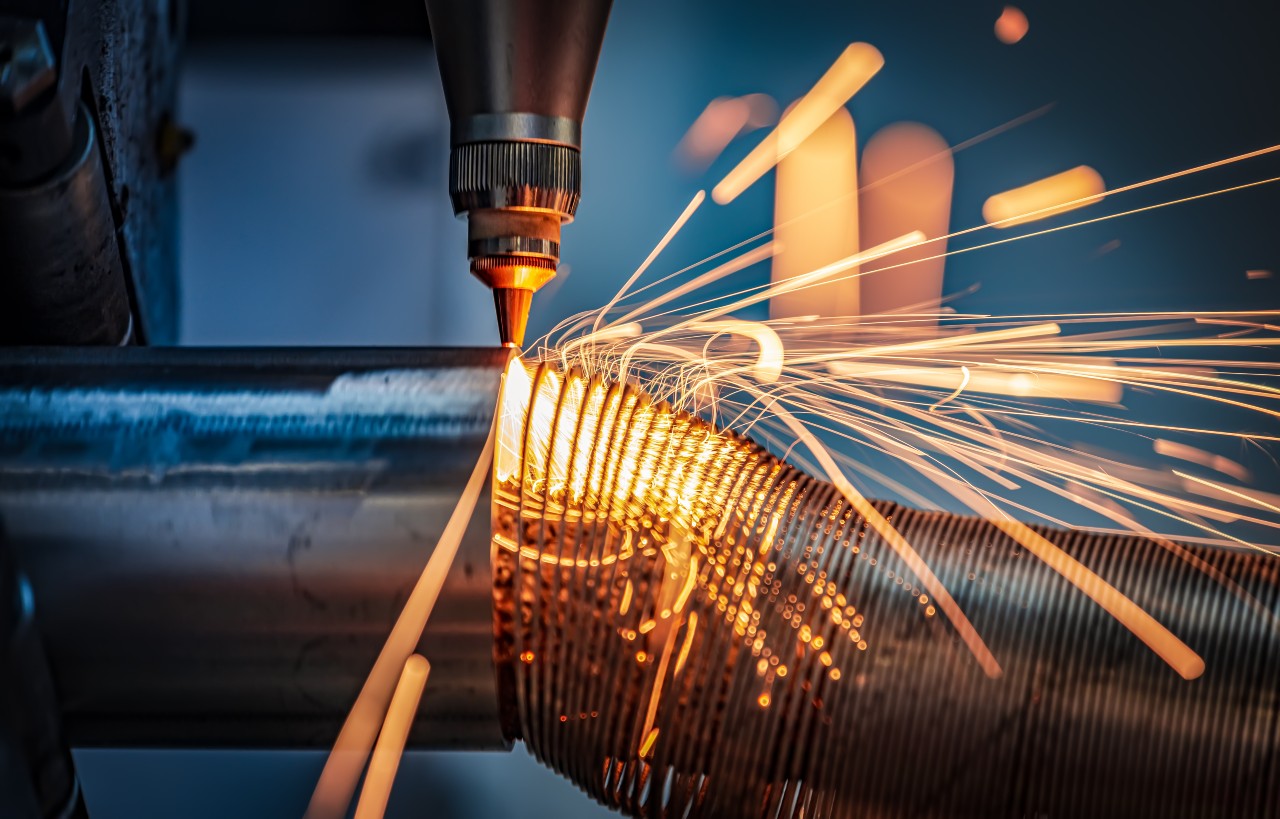
Producing fabricated metal components and structures often involves combining several processes within a single manufacturing cycle. Starting with sheet metal, tubes or profiles, the material undergoes a series of operations until it is transformed into components and structures that meet the technical drawing specifications and are ready for assembly or integration into the final product.
The main metal fabrication processes include laser and plasma cutting, bending, plate rolling, welding, drilling and CNC machining, followed by assembly and inspection. The sequence of these operations varies according to the requirements of each component. Geometry, material, thickness, dimensional tolerances and production volumes all influence the choice of technology and determine how the individual stages are organised.
Let’s look more closely at the techniques most commonly used in industrial metal fabrication and how each contributes to transforming metal into a finished component.
1. Laser cutting: precision from the first stage of production
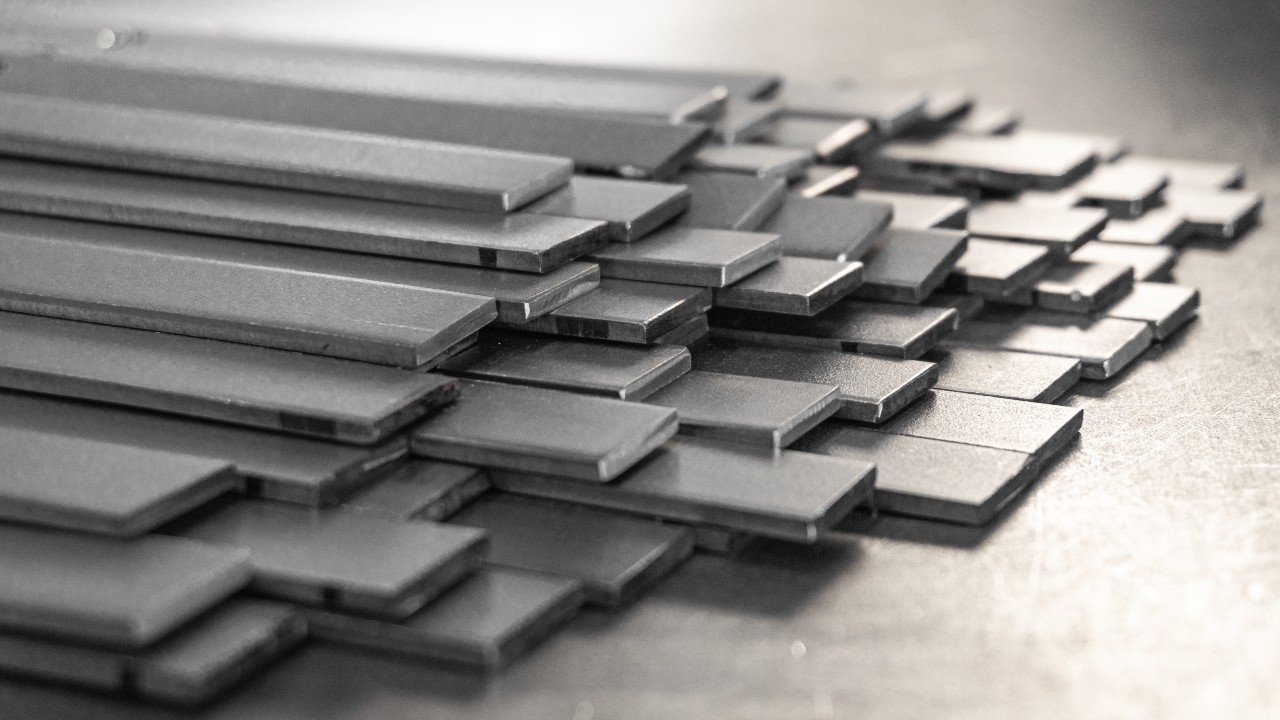
Laser cutting is one of the most widely used technologies for producing profiles and parts from sheet metal and other semi-finished metal products, ready for subsequent fabrication processes. A focused laser beam follows a digitally programmed cutting path, making it possible to produce complex geometries with a high level of accuracy.
In industrial metal fabrication, laser cutting offers a valuable combination of precision, processing speed and production flexibility, particularly when manufacturing a wide range of components or parts with complex geometries. Careful programming of the cutting plan also allows parts to be efficiently nested across the sheet, maximising material utilisation and reducing scrap.
The cutting parameters are selected according to factors such as material type and thickness, component geometry and the required edge quality. Achieving the required dimensional accuracy from this initial stage is particularly important, as it helps ensure that downstream operations such as bending, welding and assembly can be carried out correctly, while contributing to the overall quality of the finished product.
2. Plasma cutting: a solution for specific materials and thicknesses
Alongside laser cutting, plasma cutting is another technology used in metal fabrication. The process uses a high-temperature jet of ionised gas to melt and cut through the material along the required profile. It is primarily used for electrically conductive metals and can be an effective solution when working with materials or thicknesses for which plasma cutting is better suited than other cutting technologies.
The choice between laser and plasma cutting therefore depends on the component specifications, material, thickness and required level of accuracy. Having access to different cutting technologies makes it possible to select the most appropriate process for each project, rather than applying the same solution to components with different manufacturing requirements.
3. Sheet metal bending: shaping the component
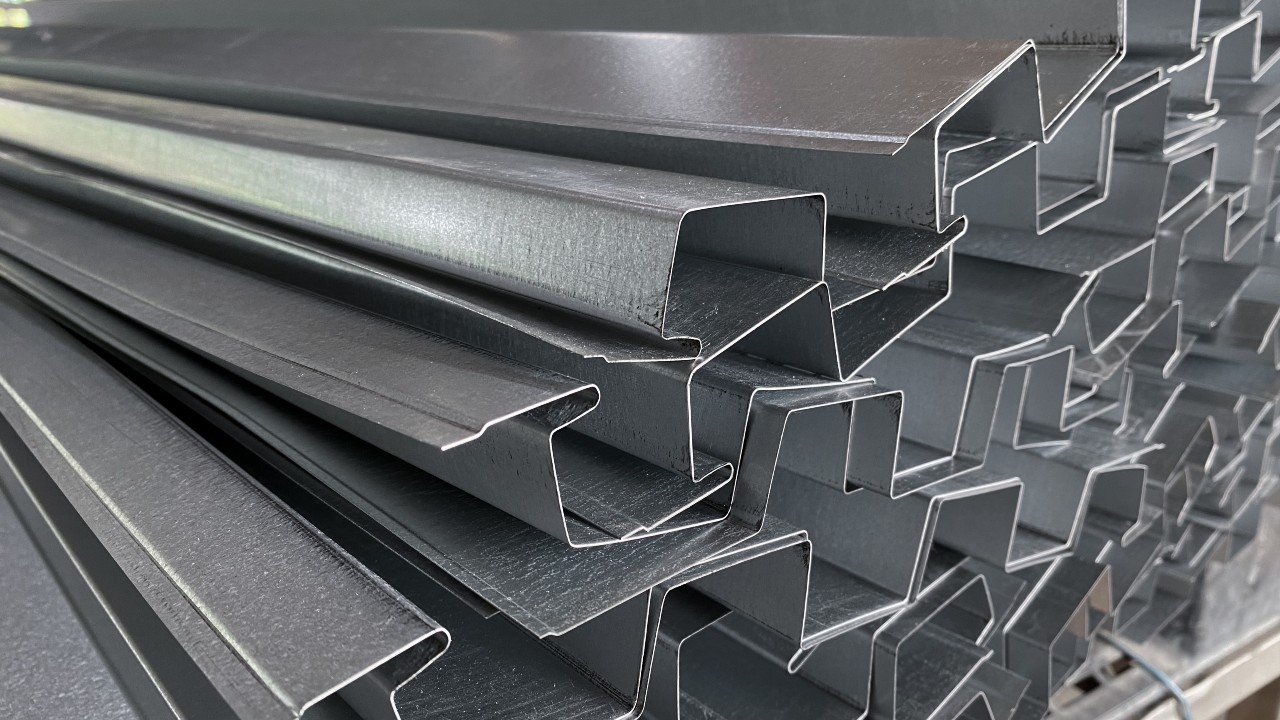
Once cut, many parts need to be formed into the geometry specified by the design. Sheet metal bending uses controlled force to create angles, edges and profiles, transforming a flat piece of material into a three-dimensional component ready for downstream manufacturing operations.
In industrial metal fabrication, bending is generally carried out using CNC press brakes, which allow process parameters to be set accurately and the same bending cycle to be repeated consistently across multiple components. Where production requirements allow, robotic bending cells can also be used, particularly in series production where consistency and continuity are essential.
Bending quality depends on several factors, including material, thickness, bend radius, component geometry and springback. An incorrect angle or unexpected deformation can compromise downstream operations, particularly when the component needs to be welded or assembled with other parts. For this reason, bending requirements need to be considered when planning the overall manufacturing process, rather than treating bending as an isolated operation.
4. Sheet metal rolling: creating curved and cylindrical shapes
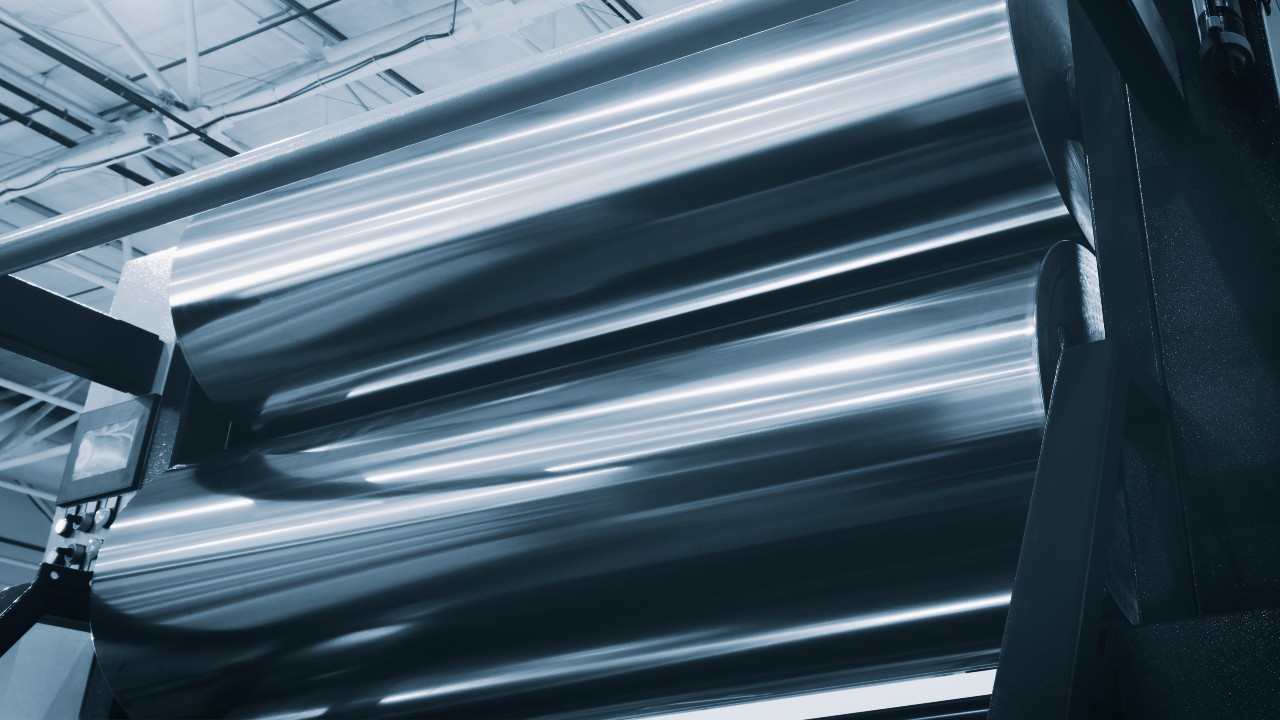
Sheet metal rolling is a metal forming process used to shape sheet metal and other metal components into curved or cylindrical forms. The material is passed through a series of rollers that apply controlled pressure, progressively changing its geometry without removing any material.
This process is particularly useful for producing curved surfaces, large-radius bends, cylindrical components and sections of structures that cannot be achieved through conventional linear bending. As with other forming processes, the final result depends on factors such as material properties, thickness, the required radius and accurate process set-up.
5. Welding: joining components securely and accurately
Welding is a key process in the manufacture of fabricated structures and assemblies. It is used to create permanent joints between two or more metal components, producing frames, supports and complex assemblies for machinery and other industrial applications.
Depending on the requirements of the project, joint geometry and production volumes, welding can be carried out manually or using robotic welding systems. Manual welding offers greater flexibility when working with complex components, small production runs or parts with varying geometries. Robotic welding, on the other hand, is particularly effective when the same operation needs to be repeated across multiple components, helping to achieve greater consistency and repeatability throughout production.
However, weld quality depends on much more than the weld bead itself. Part preparation and positioning, welding parameters, the sequence of operations, material properties and post-weld inspection all contribute to the quality and dimensional conformity of the finished assembly. Managing thermal distortion is also essential, as the heat generated during welding can affect the geometry and dimensions of the component.
6. Drilling and CNC machining: precision for functional features
Holes, slots, recesses and other functional features are often essential for fitting screws, pins, bolts or other mechanical components. Drilling operations must therefore meet the position, diameter and tolerance requirements specified in the technical drawing, particularly when several parts need to fit together accurately during assembly.
In modern metal fabrication, many operations are carried out using CNC (Computer Numerical Control) technology. CNC machines follow programmed digital instructions to control movements and machining parameters, providing a high level of accuracy and ensuring consistent, repeatable results across components within the same production run.
CNC machining can be used alongside conventional metal fabrication processes when a project requires precisely defined geometries, accurate fits or tighter tolerances. In these cases, fabrication and machining complement each other: fabrication creates the overall structure and geometry of the component, while machining adds the functional features required for accurate integration into the final system.
Assembly and quality control: completing the manufacturing process
Once the main metal fabrication processes have been completed, the individual parts need to be assembled and inspected before they are ready for delivery or integration into machinery and industrial equipment. These final stages are particularly important, as they provide an opportunity to assess the outcome of the entire manufacturing process and ensure that the different components fit and function together correctly.
Assembly involves bringing together the previously fabricated parts to create frames, structures or more complex assemblies. Depending on the project, this may involve mechanical fastening, final welding and the installation of additional components. It is often at this stage that deviations introduced during earlier operations become apparent: inaccuracies in cutting, bending, hole positioning or welding can affect how parts fit together and may require corrective work.
For this reason, assembly quality also depends on the level of accuracy maintained throughout the entire manufacturing process. Considering how individual parts will be joined from the design stage onwards makes it possible to plan each operation more effectively, reduce rework and streamline final assembly.
The manufacturing process is completed by dimensional and quality inspections, which verify that the finished product meets the specifications defined in the technical drawings. Dimensions, geometries, positions and fits can be checked using conventional measuring instruments or, for more complex components, three-dimensional measurement systems.
Quality control, however, is not limited to the finished product. In a well-managed metal fabrication process, inspections are also carried out at key stages throughout production, allowing any deviations to be identified early and preventing them from affecting downstream operations. Assembly and quality control therefore play an essential role in ensuring the accuracy, reliability and conformity of the finished component.
Ferrero Industrial: precision components and advanced metal fabrication
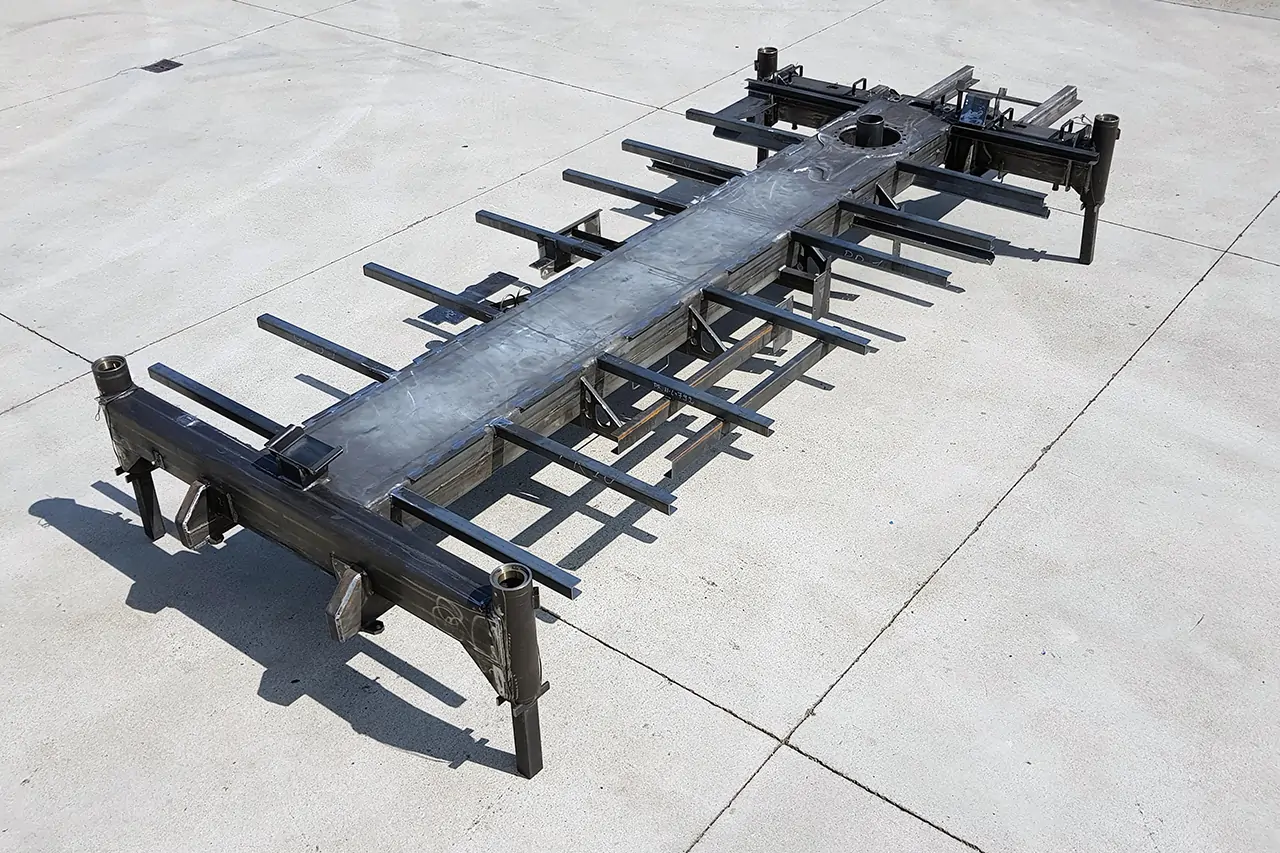
Ferrero Industrial specialises in the manufacture of precision components for industrial applications, using an integrated production process that brings together a range of manufacturing technologies. Managing multiple operations within the same production cycle allows us to process materials according to each customer’s technical specifications, ensuring high dimensional accuracy, repeatability and consistent quality in the finished component.
Our production technologies include laser cutting, robotic bending, manual and robotic welding, supported by 3D measurement systems for dimensional inspection of manufactured parts. This combination of technologies enables us to produce components with a wide range of geometries and specifications, selecting the most appropriate manufacturing process for each project and coordinating every operation through to final inspection.
In precision metal fabrication, maintaining control over the entire manufacturing process is particularly important, as each operation can affect the next and, ultimately, the conformity of the finished component. By combining technical expertise, automation and inspection systems, we can handle both series production and projects with specific manufacturing requirements, with a consistent focus on efficiency and quality throughout the production process.
Our manufacturing operations are also supported by an Integrated Quality, Environmental, Health & Safety and Ethics Management System. We are certified to UNI EN ISO 9001:2015 for quality management, UNI EN ISO 14001:2015 for environmental management and UNI EN ISO 45001:2018 for occupational health and safety. For activities more directly related to metal fabrication and welding, we also hold UNI EN ISO 3834-2:2021 and UNI EN 1090-1 certifications, further supporting our approach to process control and product conformity.
Choosing Ferrero Industrial means working with a partner that combines advanced technologies, tailored metal fabrication and dimensional inspection to manufacture precision components for a wide range of industrial sectors.
FAQs about metal fabrication processes
1. What does a metal fabrication company do?
A metal fabrication company transforms sheet metal, tubes and profiles into components, frames, structures and metal assemblies according to technical drawings and specifications. Services may include cutting, bending, plate rolling, drilling, welding and assembly, as well as dimensional inspection and, where required, surface treatments. In industrial applications, where components are manufactured for machinery and mechanical systems to specific dimensional and tolerance requirements, these activities fall within the field of industrial metal fabrication.
2. What are the main stages of a metal fabrication project?
A metal fabrication project generally begins with an assessment of the technical drawings and component specifications. The appropriate material, technologies and sequence of operations are then defined before production moves on to cutting, forming through bending or plate rolling, drilling and welding. Assembly and dimensional inspection follow, while finishing operations or surface treatments may complete the manufacturing cycle. The exact sequence varies according to the component’s geometry, material, tolerances and intended application.
3. What certifications should a metal fabrication company have?
There is no single certification that applies to every metal fabrication project. The relevant certifications depend on the type of product, the manufacturing processes involved and its intended application. Key industry standards include UNI EN ISO 9001 for quality management and, where welding processes are involved, UNI EN ISO 3834. For certain structural applications, UNI EN 1090 may also be relevant. Ferrero Industrial holds, among others, UNI EN ISO 9001:2015, UNI EN ISO 3834-2:2021 and UNI EN 1090-1 certifications, as well as UNI EN ISO 14001:2015 and UNI EN ISO 45001:2018.
4. How do you choose a metal fabrication company for precision components?
When choosing a metal fabrication company, it is important to consider not only the processes and technologies available, but also its ability to manage the project as a whole. Key factors include manufacturing capabilities, process accuracy and repeatability, dimensional inspection systems, relevant certifications, experience in producing complex components and the ability to coordinate multiple stages of production. An integrated manufacturing process can also make it easier to manage and control the project, reduce the need to move components between different suppliers and provide greater continuity across fabrication, assembly and final inspection.
Have a component or project in mind? Contact us to discuss your requirements. We can help you identify the most suitable manufacturing processes and solutions based on your project’s technical specifications.