
How to choose the right telehandler basket: a technical guide
A guide to choosing a certified access platform for telehandlers: EN 280 compliance and bespoke solutions
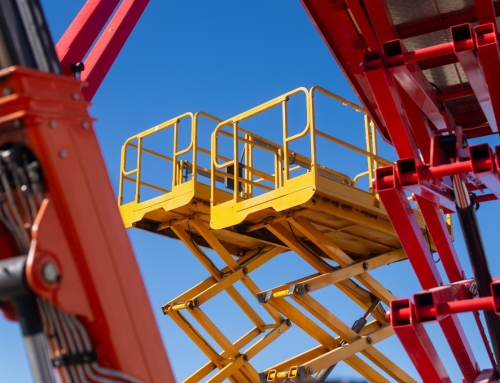
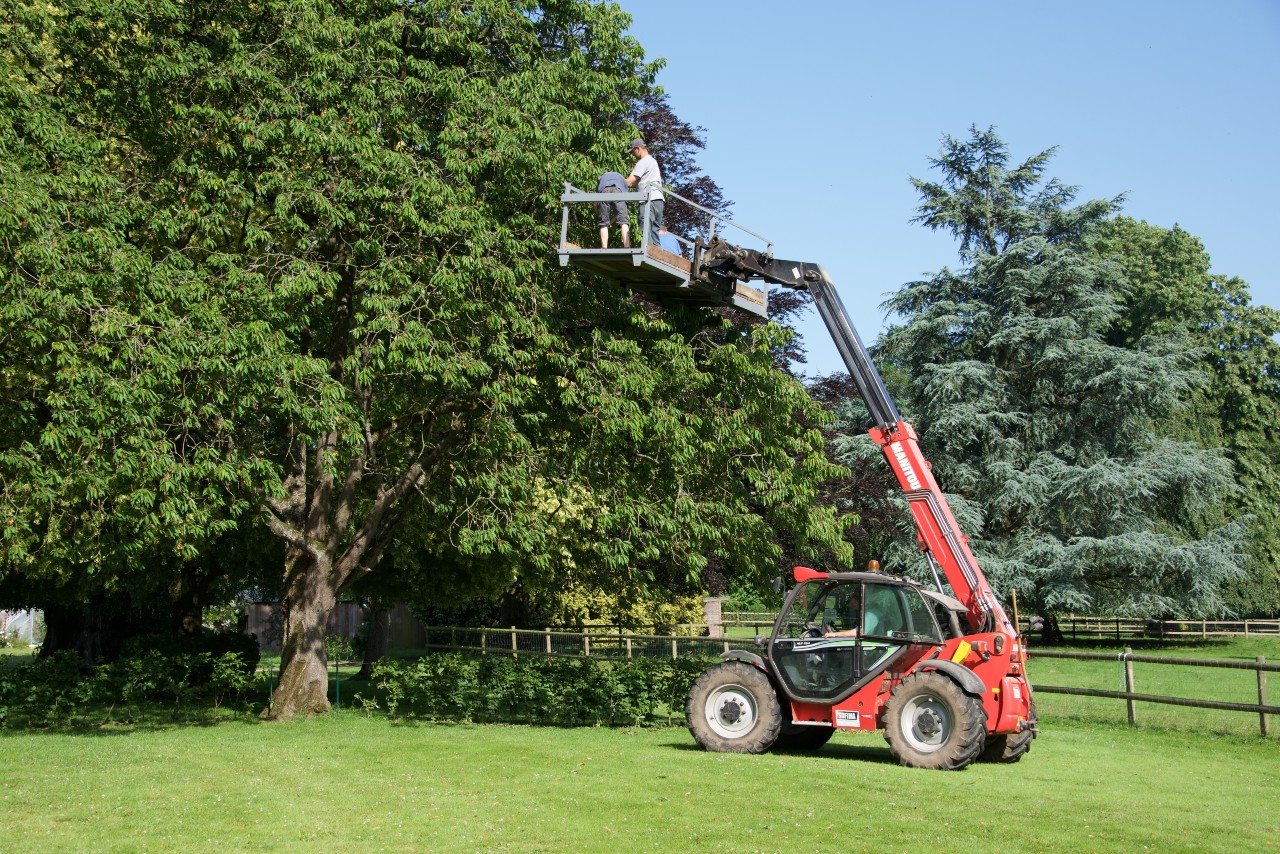
Telehandlers fitted with baskets are now widely used on construction sites, in industrial facilities and for urban green-space maintenance. By combining the reach of a telescopic boom with the practicality of an access platform, they can be used across a wide range of applications, from installing façades and roofing to working on power lines, HVAC systems, industrial buildings and port facilities. In all these contexts, the basket is far more than a simple attachment: it plays a key role in operator safety, work efficiency and the machine’s compliance with current regulations.
Choosing the right solution for a specific job means assessing both the technical features of the machine, such as the type of telehandler, attachment system and load chart, and the practical requirements of the site. These may include the working environment, the number of people working at height, weather and environmental conditions, and how frequently the equipment will be used. Compliance is another essential factor: the basket must be designed and certified in line with specific standards, otherwise the entire machine may be deemed non-compliant. For this reason, bespoke solutions are often the most effective choice, as they can be engineered around precise technical specifications and tailored to requirements that standard platforms may not fully meet.
Let’s look at the key factors to consider when choosing the most suitable telehandler basket for different operational and production needs, including the relevant regulatory framework, the main differences between standard and bespoke baskets, and the materials and manufacturing processes that determine the quality and reliability of the finished component.
Telehandlers with basket: types and design differences between fixed and rotating models
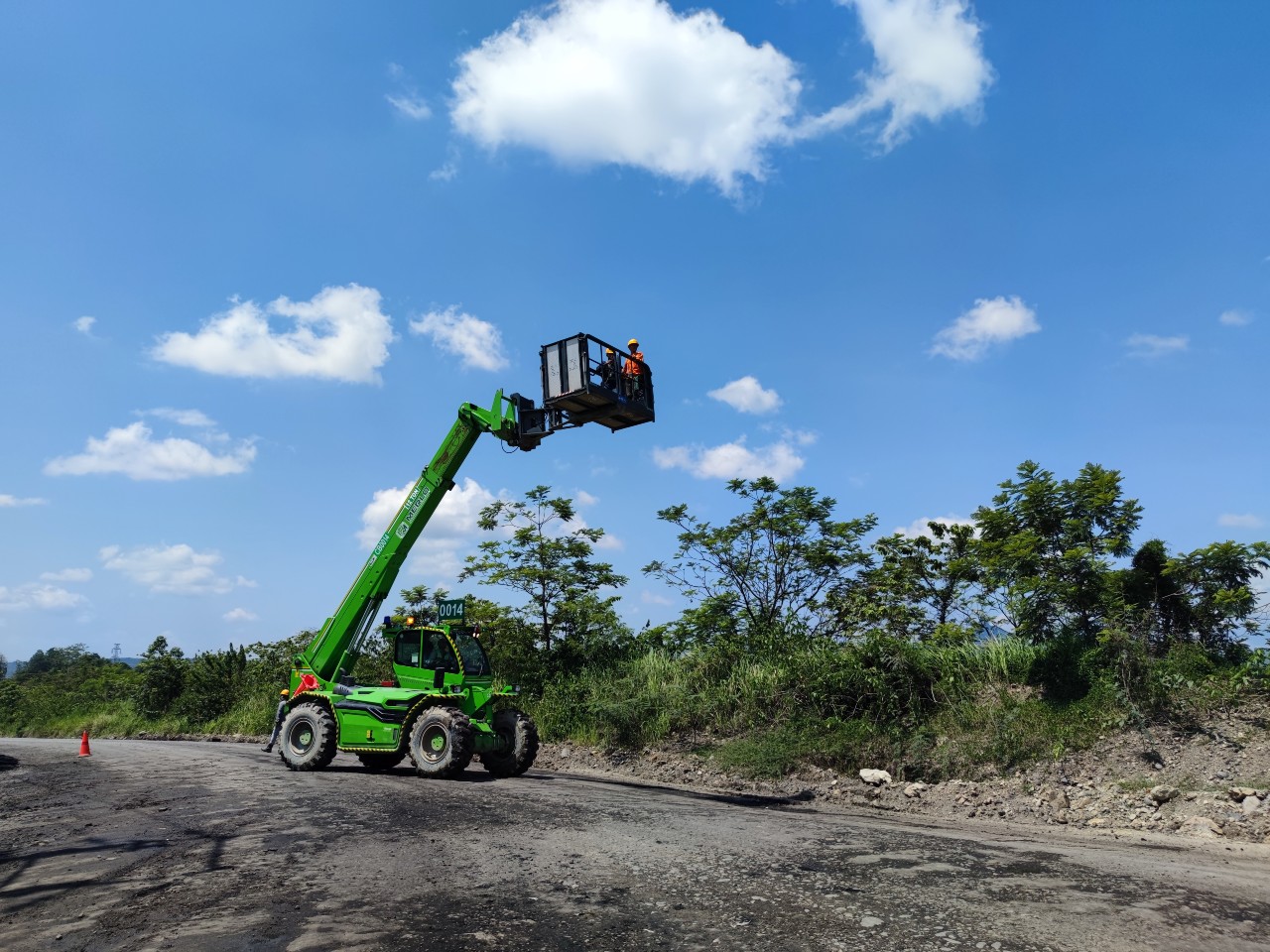
Before choosing a telehandler basket, it is essential to understand the differences between the main types of telehandler. Broadly speaking, telehandlers fall into two main categories. Fixed models, also known as fixed-boom telehandlers, operate within a defined vertical plane: the boom extends upwards and forwards, but the turret does not rotate. These machines are generally more compact and are suitable for working environments where the operating path is predictable and does not require full rotation.
Rotating telehandlers, on the other hand, are fitted with a slewing turret that allows the boom to rotate through 360°. This makes the machine extremely versatile when managing work areas and reaching spaces that would otherwise be difficult to access. For this reason, they are often the preferred choice for complex construction sites, industrial environments with structural obstacles, and all applications where work needs to be carried out on several sides without repositioning the machine.
The design differences between these two types of telehandler have a direct impact on the compatible baskets. On rotating models, the movement dynamics are more complex: the basket is subject to forces from multiple directions, the levelling system must compensate for rotation and more complex angular variations, and the attachment system must ensure reliable structural integrity even when the boom is fully extended and rotating. On fixed models, the forces involved are generally more linear, but the accuracy of the attachment interface remains essential to ensure stability when working at height.
It is also worth noting that each manufacturer tends to develop attachment systems with proprietary geometries and specifications. This means that a basket can never be selected on a generic basis: it must be designed, or at least technically validated, in relation to the exact telehandler model on which it will be installed.
Load capacity, dimensions and mechanical compatibility: key technical features
Once the type of telehandler on which the basket will be fitted has been identified, the choice should be based on a series of technical parameters that must be carefully assessed.
- maximum permissible load capacity: this is one of the most important factors to consider. Expressed in kilograms, it does not simply refer to the weight of the operators. It includes personnel, tools, any materials being lifted to height and the weight of the basket itself. Load capacity is closely linked to the telehandler’s load chart, a technical document that defines the maximum loads according to working height and the horizontal reach of the boom. Operating even slightly outside these parameters can compromise the stability of the machine and the safety of work at height.
- Working platform dimensions: the width and length of the platform determine the space available for operators and equipment, while the height of the perimeter guardrails is both a regulatory requirement and a practical safety feature. A basket that is too large may make the machine unstable or incompatible with certain working environments, such as corridors in industrial plants or hangars with closely spaced surrounding structures. The dimensions should therefore be defined on the basis of a detailed analysis of the operating context and the maximum number of operators expected to be on board at the same time.
- Attachment system: this is perhaps the most technically critical parameter. Each telehandler manufacturer defines specific geometries, tolerances and load capacities for its own quick-attach system, often using proprietary solutions that are not interchangeable between different models. The basket must therefore be designed around these specifications. An incorrect or approximate attachment is one of the main risk factors when working at height and can invalidate any certification previously obtained, effectively making the machine non-compliant with current regulations.
- Self-weight of the basket: the structural weight of the basket has a direct impact on the remaining payload available and on the overall stability of the machine. A basket made from materials that are too heavy may reduce the effective load capacity available for operators and equipment, and may shift the machine’s centre of gravity in a way that limits its operation. Optimising the balance between structural strength and weight is therefore a fundamental design requirement, calling for careful selection of materials and structural sections.
- Automatic levelling system: in any operating condition, whether the boom is extended, inclined or rotating in the case of rotating models, the work platform must remain level to ensure operator safety and correct load distribution. The automatic levelling system performs this function through hydraulic or electro-actuated mechanisms that continuously compensate for changes in the boom angle. Compatibility between the telehandler’s levelling system and the structure of the basket must be checked during the design phase: a basket that is not correctly integrated with this system may cause oscillation, instability or malfunctions that compromise the safety of work at height.
- Protection devices and safety controls: perimeter guardrails, access gates, top protection bars and emergency stop systems are elements required by regulations and must be functionally integrated into the basket structure. These are complemented by secondary control devices, such as control panels on the platform and emergency switches, which must be accessible and compatible with the machine’s overall control system. The presence and correct design of these elements are specifically assessed as part of EN 280 certification.
- Surface finish and environmental resistance: although not a structural parameter in the strictest sense, the basket’s surface finish has a direct impact on its long-term durability and its suitability for use in specific environments. Working conditions involving high humidity, exposure to chemicals, abrasive dust or significant temperature changes require specific surface treatments, such as hot-dip galvanising, epoxy coatings or stainless-steel finishes, which must be defined during the design phase.
What EN 280 says about the certification of telehandler baskets
Any basket intended for lifting people on mobile elevating work platforms, a category that also includes telehandlers, must be designed, manufactured and tested in accordance with the requirements of the relevant harmonised standards under the Machinery Directive 2006/42/EC. For many years, the main reference standard was EN 280:2013+A1:2015; since February 2025, the applicable standard has been EN 280-1:2022, alongside EN 280-2:2022, which covers additional requirements for MEWPs fitted with load-lifting devices on the extending structure or on the platform.
EN 280-1:2022 sets out mandatory minimum requirements for structural stability, mechanical strength, collective protection devices, control systems and verification procedures before the machine is put into service. It also places specific emphasis on operator protection, with dedicated technical solutions. In practical terms, it requires every work platform to undergo static and dynamic load testing, structural welds to be carried out according to qualified procedures, and the manufacturer to issue an EC declaration of conformity supported by full technical documentation.
For machine manufacturers, purchasing baskets from suppliers that follow this certification process significantly reduces the risk of non-compliance during CE marking of the finished product. It also simplifies audit procedures by certification bodies and ensures that up-to-date, verifiable technical documentation is available. A component without adequate certification, even if structurally sound, may hold up the entire approval process for the machine on which it is fitted.
Certification applies to the specific basket-telehandler combination, not to the basket as a generic standalone component. A component certified for a particular machine model is not automatically compliant when installed on a telehandler with different structural or load characteristics.
Materials and build quality: other key aspects to consider when choosing a basket
The quality of a personnel lifting basket is determined first and foremost by the choice of materials and the standard of workmanship. A component used for work at height, and subject to dynamic loads and varying stresses, must be manufactured from certified materials and in accordance with precise production standards.
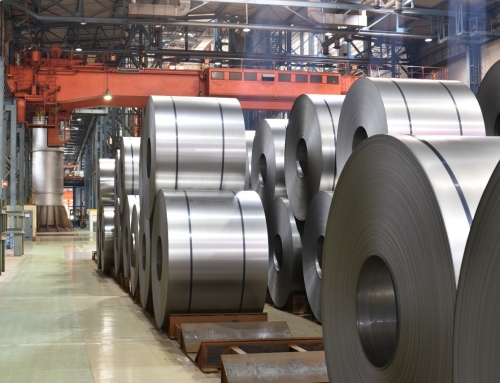
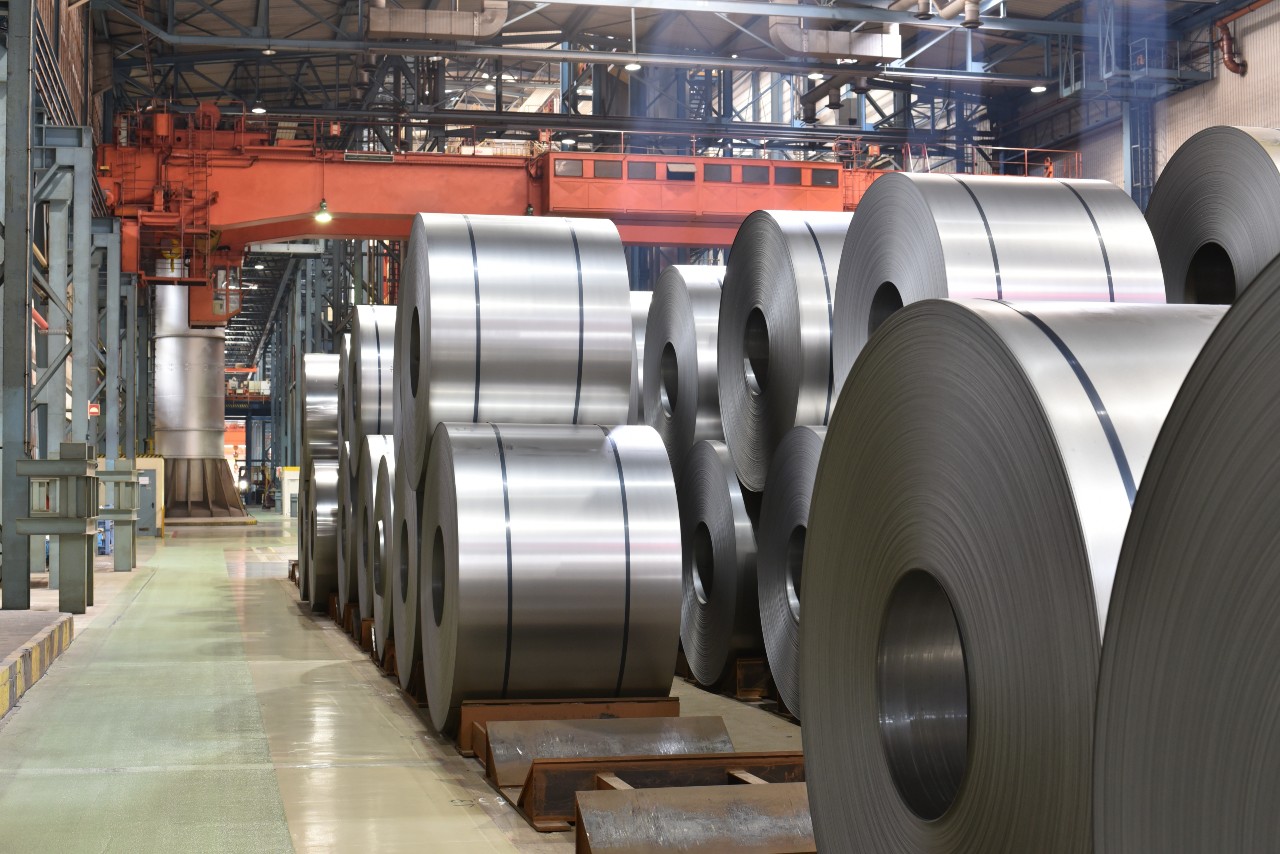
The load-bearing structure is generally made from carbon steel, which offers an excellent strength-to-weight ratio and good weldability. For applications where corrosion resistance is a priority, stainless steel may be used instead, or the component may undergo specific surface treatments such as hot-dip galvanising, which provides long-lasting protection even in particularly aggressive environments.
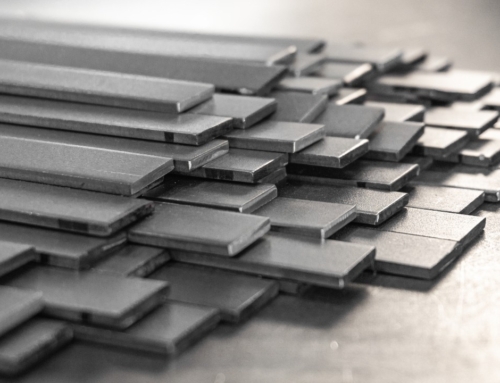
The manufacturing processes involved in producing a basket include laser cutting, CNC bending, drilling and, above all, structural welding. Welding is the most critical stage of the entire production process: welds must be carried out by qualified personnel according to certified procedures, typically in accordance with EN ISO 3834, and must undergo systematic visual inspection and, for the most highly stressed components, non-destructive testing.
Surface finishes, such as shot blasting, powder coating or wet painting, are not purely aesthetic. They protect the component against corrosion, help maintain its structural integrity over time and reduce the need for routine maintenance. A basket with a poor-quality surface finish may deteriorate quickly under real operating conditions, creating issues that could compromise both product safety and compliance.
Ferrero Industrial basket components: certified, bespoke solutions for telehandlers
At Ferrero Industrial, we specialise in the manufacture of precision metal components for the industrial vehicle sector, with extensive experience in supplying structural components for aerial work platforms and telehandlers. Our components are designed for manufacturers of machines used for work at height who require precise, certified parts developed to their own technical specifications.
Every order is approached as a bespoke technical project. The process starts with an analysis of the customer’s specifications, including CAD drawings, machine datasheets and applicable regulatory requirements, before moving on to the definition of the most suitable construction solution, material selection and final production using advanced technologies and precision manufacturing processes.
Every stage is documented and subject to rigorous quality controls, ensuring full component traceability and compliance with the relevant regulatory requirements. Our production facility enables us to manage batches of varying sizes, while meeting agreed delivery times and consistently guaranteeing the quality of the finished product.
FAQ – Frequently asked questions about telehandler baskets
What is the difference between a telehandler with a basket and an aerial platform?
The two terms are often used interchangeably, but there are important differences. A telehandler with a basket is a machine originally designed primarily for material handling, to which a work platform is attached as interchangeable equipment. An aerial work platform, on the other hand, is designed from the outset specifically for lifting people, with control systems, safety devices and structures optimised for that purpose. This distinction has direct implications for the applicable regulations, operating procedures and the training required for operators.
What are the main design challenges when manufacturing components for telehandler baskets?
Manufacturing structural components for telehandler baskets involves specific design challenges. These include the need to meet very tight dimensional tolerances to ensure a correct interface with the telehandler’s attachment system; managing complex dynamic loads, which vary according to the position of the boom and the operating conditions; selecting materials and structural sections that optimise the balance between mechanical strength and the component’s own weight; and complying with the applicable regulatory requirements, which call for accurate technical documentation and rigorous quality control throughout the entire production cycle.
For these reasons, collaboration between the telehandler manufacturer and the component supplier should be structured from the earliest design stages, with continuous exchange of operational feedback.
How often should a telehandler basket be inspected and maintained?
A telehandler basket should be inspected and maintained in accordance with the manufacturer’s instructions, the applicable local regulations and the safety procedures defined for the specific working environment. As a general rule, pre-use checks should be carried out before each operation to verify the structural integrity of the basket, the correct operation of safety devices and the condition of the attachment points.
Periodic inspections should also be scheduled by qualified personnel or authorised bodies, depending on the regulatory requirements in force in the country where the equipment is used. Given that inspection intervals and legal obligations may vary by market and application, it is always advisable to refer to the machine documentation and consult a qualified safety professional.
Can a non-approved basket be used on a telehandler to lift people?
No. A basket for lifting people may only be used on telehandlers that have been expressly approved and certified for this function. Fitting a basket to a machine that is not certified for carrying people constitutes serious non-compliance with the Machinery Directive. Before installing any basket, it is therefore essential to check that the telehandler has the specific certification required for lifting people and that the manufacturer has included this configuration in the machine’s technical documentation.
How do basket dimensions affect the stability of a telehandler?
The dimensions of the basket have a direct impact on the overall stability of the telehandler. A wider or longer basket shifts the system’s centre of gravity outwards in relation to the machine’s axis, reducing the available stability margin, especially when the boom is at maximum extension. This effect is amplified when the basket is loaded close to its rated capacity or when the telehandler is operating on ground that is not perfectly level.
On rotating models, turret rotation with an oversized basket can create imbalances that alter load distribution across the machine’s load-bearing structure, increasing the risk of instability in conditions that may not be covered by the standard load chart. For this reason, the dimensions of the basket must be defined in close relation to the technical specifications of the telehandler on which it will be installed, verifying compatibility with the load chart in all expected operating configurations, not only in the nominal one.
How do site and ground conditions affect the choice and use of the basket?
The conditions of the operating site are a determining factor not only for safe use, but also when defining the technical specifications of the basket. Soft, uncompacted or sloping ground reduces the stability of the telehandler regardless of the basket’s characteristics, requiring suitable stabilisation systems and a reduction in operating loads compared with nominal values.
In environments with uneven surfaces or industrial flooring subject to vibration, the basket must be designed to withstand dynamic stresses greater than those expected under standard conditions, with direct implications for the choice of structural materials and weld geometry. Weather conditions, including wind, rain and extreme temperatures, also affect the performance of the basket-telehandler system and should be considered during the design phase, particularly when selecting surface treatments and materials.
Would you like more information about Ferrero Industrial components for baskets and telehandlers? Contact us for tailored advice and find out how we can support your project.