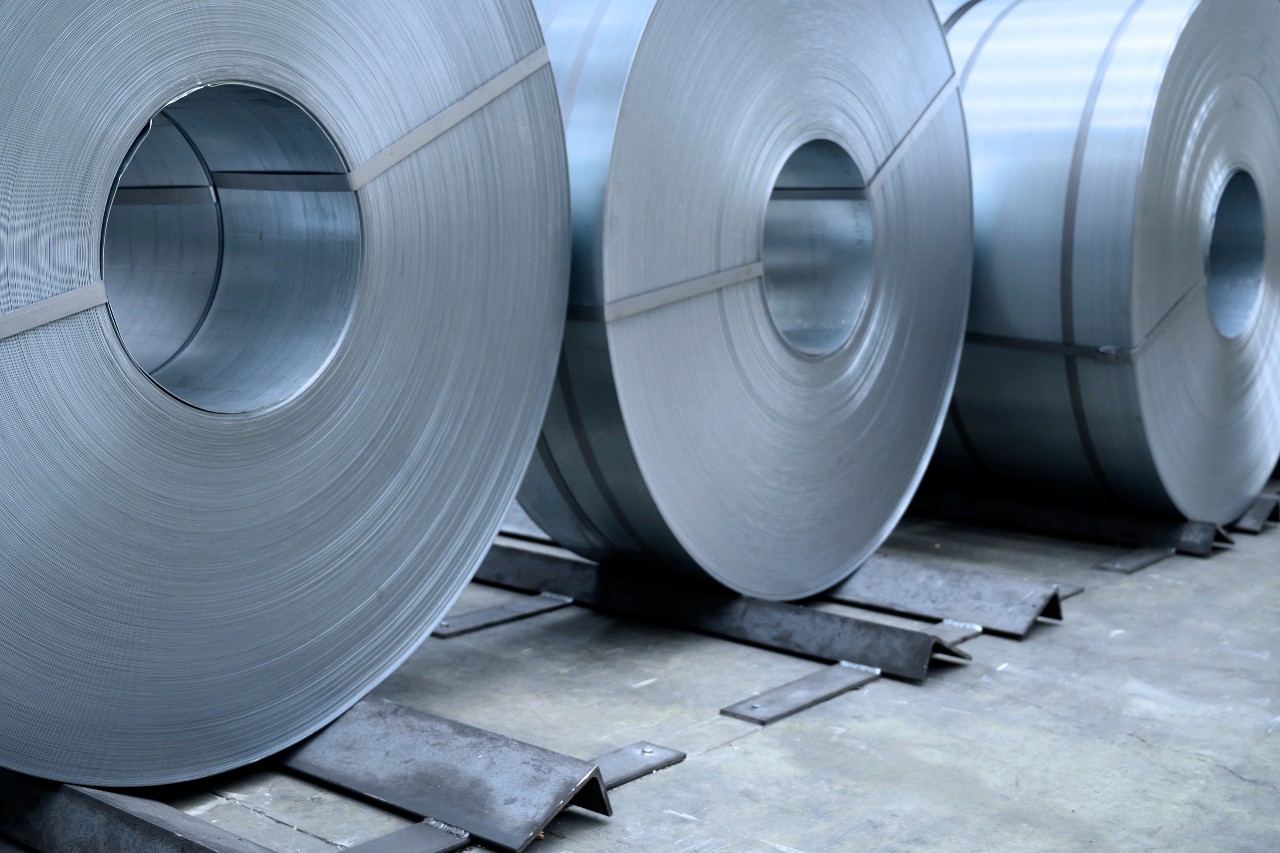

Carbon steel or stainless steel? Differences and applications
Carbon or stainless steel for industrial components: how to choose the right material
In the manufacture of industrial metalwork and precision components, carbon steel and stainless steel are among the most commonly used materials. Carbon steel is particularly well suited for load-bearing structures, frames, and components exposed to high mechanical stress, thanks to its strength, ease of machining, and relatively low cost compared to other alloys. Stainless steel, by contrast, is the material of choice in applications where corrosion resistance is essential. Its chromium content forms a self-healing passive layer on the surface, protecting the material from within without the need for additional treatments – even in chemically aggressive environments or under constant exposure to the elements.
Selecting the right material for a project is a critical technical decision that directly affects performance, durability, and overall lifecycle costs. An incorrect choice at this stage can lead to unexpected maintenance expenses, frequent replacements, operational downtime, and, in more serious cases, potential safety risks.
In the following sections, we take a closer look at the key technical differences between carbon steel and stainless steel, their most common industrial applications and practical guidelines for choosing the most suitable material based on design requirements, operating conditions and relevant standards.
What is carbon steel? Chemical composition and characteristics
Carbon steel is a ferrous alloy made primarily of iron and carbon, with carbon content typically ranging from 0.05% to 2.1% by weight. It is this carbon content that largely determines the material’s mechanical properties: as the percentage increases, so do hardness and tensile strength, while ductility and toughness tend to decrease.
In addition to carbon, carbon steel contains small, controlled amounts of other elements – such as manganese, silicon, sulfur, and phosphorus. These elements influence factors like hot workability, deoxidation during the melting process, and surface quality, but are not present in quantities sufficient to significantly alter the overall behaviour of the alloy.
Based on carbon content, carbon steel can be broadly classified into three main categories:
- Low-carbon steel (C < 0.3%), commonly known as mild steel, is the most ductile and weldable type. It is widely used in structural metalwork and for manufacturing sheets, profiles, and pipes.
- Medium-carbon steel (0.3–0.6%) offers a good balance between strength and machinability, making it suitable for components such as gears, shafts, connecting rods, and parts subject to cyclic loads.
- High-carbon steel (0.6–2.1%) is the hardest and most wear-resistant, but also the most brittle and difficult to weld. It is typically used for cutting tools, springs, and components exposed to severe abrasion.
The main limitation of carbon steel is its low resistance to corrosion. Without adequate surface protection, exposure to moisture and oxygen can quickly trigger oxidation, leading to rust formation. Unlike the passive layer that forms on stainless steel, the oxide layer on carbon steel is porous and non-protective, allowing corrosion to penetrate deeper into the material over time.
For this reason, in applications where components are exposed to humid, chemically aggressive, or outdoor environments, carbon steel must always be protected with suitable surface treatments – such as galvanising, painting, or phosphating. The choice of treatment depends on the severity of the operating conditions and the desired service life of the component.
Stainless steel: composition and physical properties
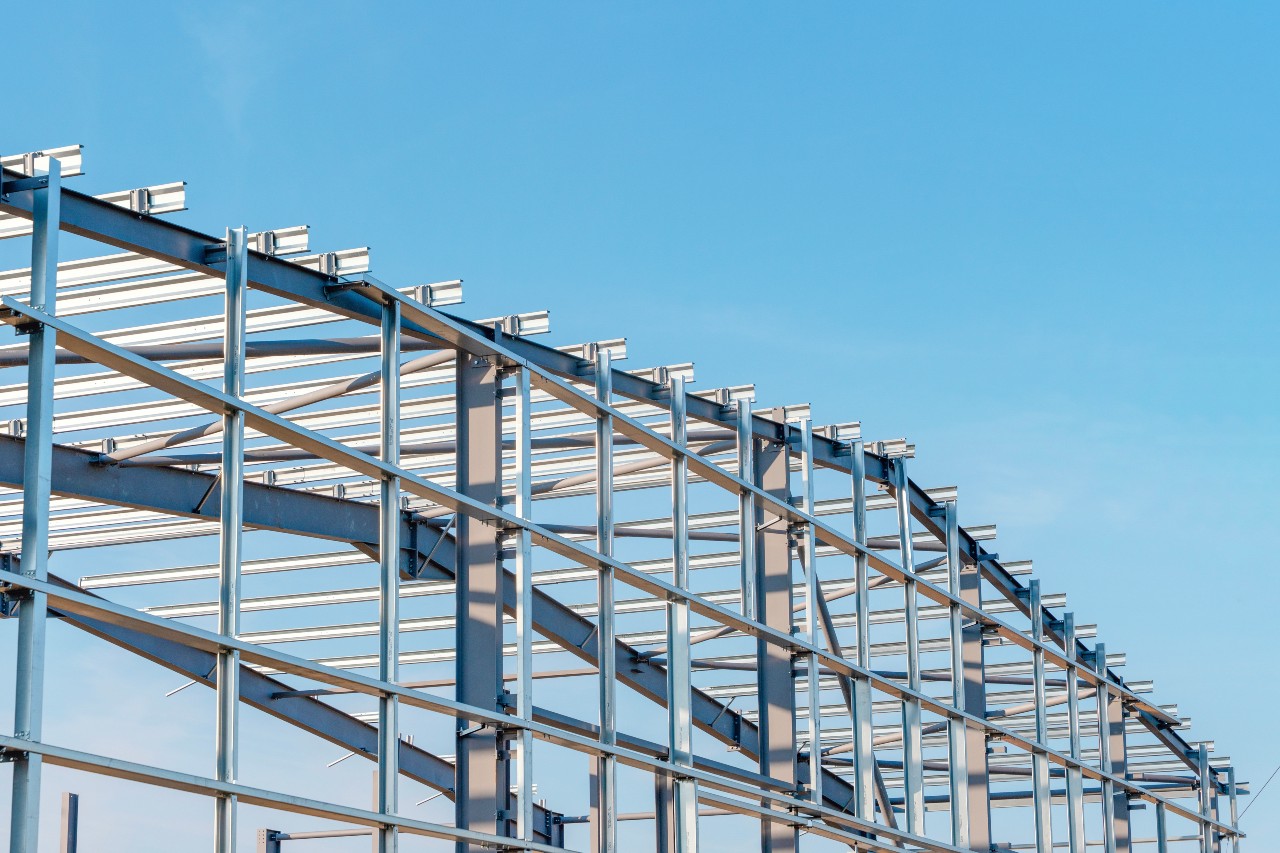
Stainless steel is also a ferrous alloy, but it differs from carbon steel due to the presence of at least 10.5% chromium by mass – the minimum threshold defined by EN 10088 for a steel to be classified as stainless. It is precisely this chromium content that gives stainless steel its most distinctive feature: when it reacts with oxygen, it forms an extremely thin, invisible layer of chromium oxide on the metal surface. This layer is chemically stable and self-healing.
If the surface is scratched or mechanically damaged, the oxide layer naturally reforms in the presence of oxygen, restoring protection without any external intervention. This phenomenon, known as passivation, is why stainless steel generally does not require additional protective coatings in most industrial environments.
In addition to chromium, stainless steel may contain varying amounts of elements such as nickel, molybdenum, titanium, nitrogen, and manganese, depending on the grade. Each of these elements plays a specific role in defining the material’s properties. Nickel stabilises the austenitic structure and improves both toughness and corrosion resistance, particularly in acidic environments. Molybdenum enhances resistance to pitting corrosion, especially in the presence of chloride ions—an essential characteristic for marine applications and the chemical industry. Titanium and niobium, used in so-called stabilised grades, help prevent sensitisation – that is, the formation of chromium carbides at grain boundaries during welding – which would otherwise reduce corrosion resistance in those areas.
The most widely used families of stainless steel in industry are classified according to their crystalline structure. Austenitic steels – such as the widely used AISI 304 and AISI 316 grades – contain both chromium and nickel and are the most common choice for general industrial applications. They offer excellent corrosion resistance, good weldability, outstanding toughness even at very low temperatures, and surfaces that are easy to clean and sanitise. AISI 316, with the addition of molybdenum, is particularly well suited for environments containing chlorides or aggressive chemical agents.
Ferritic steels (such as AISI 430), on the other hand, contain chromium but little or no nickel. They provide good resistance to atmospheric corrosion but have lower toughness, especially at low temperatures. Duplex steels (such as AISI 2205) combine both austenitic and ferritic structures, delivering significantly higher mechanical strength than standard austenitic grades while maintaining excellent corrosion resistance. This makes them especially suitable for structural applications in harsh or aggressive environments.
Carbon steel and stainless steel compared: the main applications
As we’ve seen, carbon steel and stainless steel share the same ferrous base, but differences in their chemical composition lead to markedly different behaviour from a mechanical, chemical, and manufacturing perspective. Understanding these differences is essential when selecting the most suitable material for a given application:
- corrosion resistance: this is often the most immediate – and decisive – factor. Carbon steel has no inherent resistance to corrosion; when exposed to moisture and oxygen, it oxidises quickly, forming rust that can progressively penetrate the material and compromise its structural integrity. Stainless steel, by contrast, offers built-in corrosion resistance without the need for additional protective treatments. In outdoor or chemically aggressive environments, this difference has a direct impact on component lifespan and long-term maintenance costs.
- Performance at high and low temperatures: carbon steel retains good mechanical properties across a relatively wide temperature range, although some grades may become brittle below 0°C. Austenitic stainless steels, on the other hand, maintain excellent toughness even at extremely low temperatures – down to –196°C – while also providing strong resistance to oxidation at elevated temperatures. Certain grades, such as AISI 310, can be used at temperatures of up to 1100°C. This wide thermal range makes stainless steel the preferred choice for cryogenic applications, high-temperature processing plants, and environments subject to significant temperature fluctuations.
- Thermal and electrical conductivity: carbon steel has a thermal conductivity of approximately 50 W/(m K), significantly higher than that of austenitic stainless steel, which is around 15–16 W/(m K). This means that carbon steel dissipates heat much more quickly, which can be an advantage in some applications but complicates heat input management during inox welding, where heat tends to concentrate locally. Similarly, carbon steel has superior electrical conductivity, while inox is used in contexts where electrical dispersion must be limited.
- Aesthetic appearance and surface finish: raw carbon steel has a matte, oxidation-prone surface that, without treatment, is aesthetically unkempt and unsuitable for contexts where the component is visible. Instead, stainless steel offers a range of standardised surface finishes (such as cold rolled, satin or mirrored finish) which also make it suitable for applications where aesthetic rendering is an important requirement, such as in the case of street furniture, architecture or vehicle components.
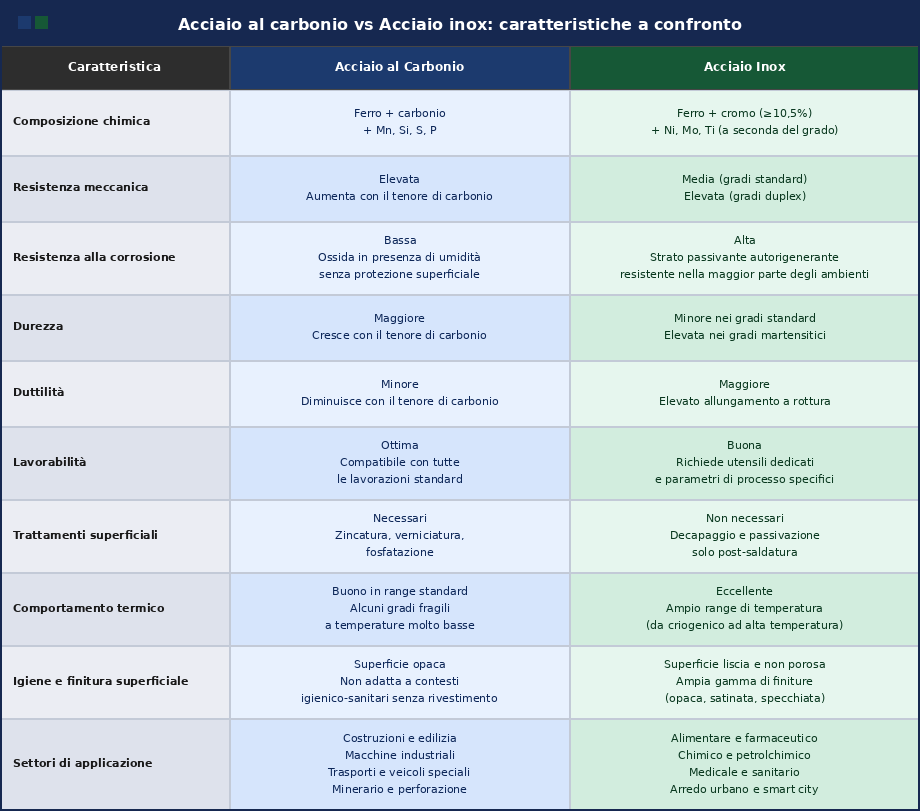
To facilitate the choice of material, the following table summarizes in a comparative way the main characteristics of the two steels, highlighting the most relevant differences from a technical and application point of view.
Ferrero Industrial’s precision components: tailor-made solutions for different industrial applications
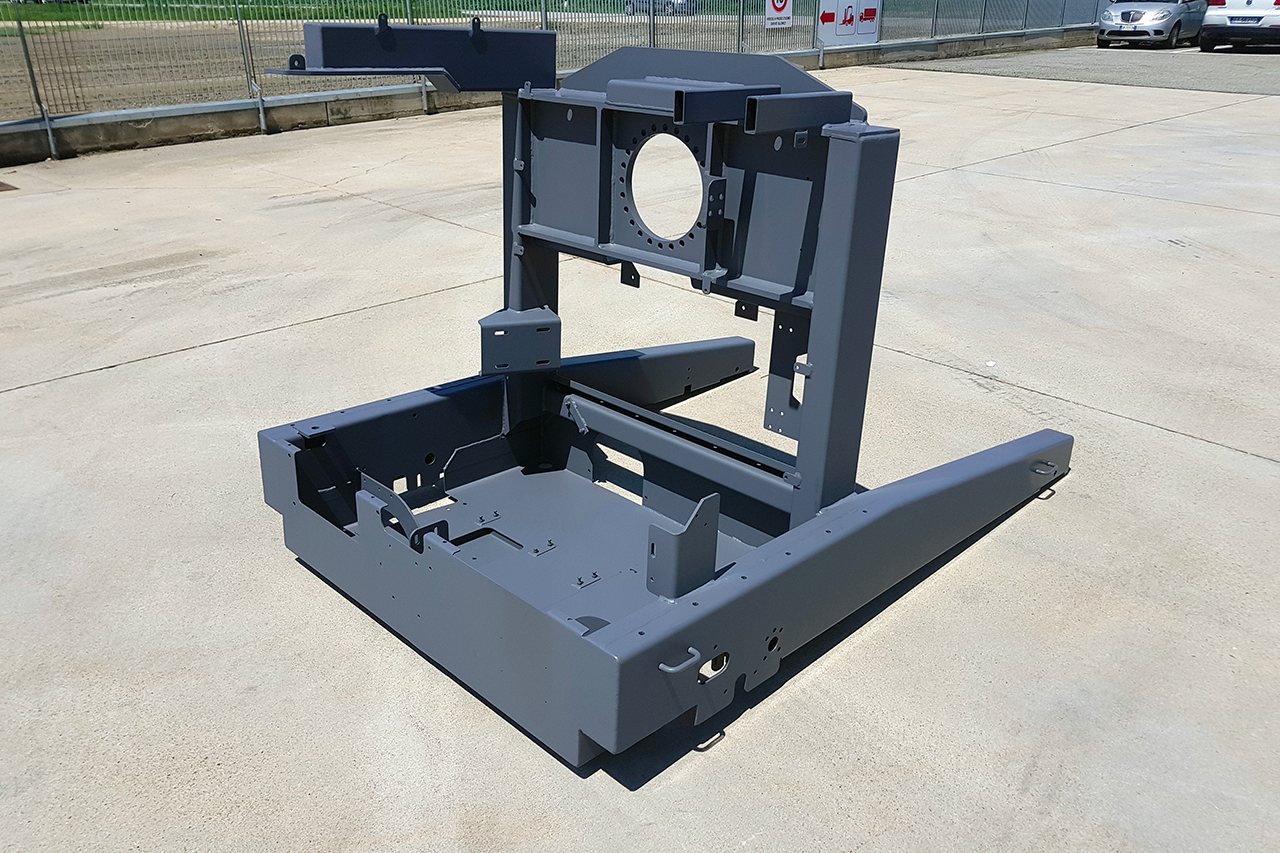
Choosing the right material is only the first step in producing high-quality industrial metalwork and precision components. Equally important is the ability to process it with accuracy, in full compliance with project specifications and applicable regulations. Ferrero Industrial designs and manufactures custom metal components for a wide range of industrial sectors, selecting the most suitable materials and surface treatments for each specific application.
We work with both carbon steel and stainless steel – across the grades and thicknesses best suited to their intended use – as well as high-strength steels and special alloys. By leveraging advanced manufacturing technologies, we ensure full traceability of raw materials and compliance with EN 1090, the European standard governing the execution of steel structures. Our integrated production process covers all key stages, including laser and plasma cutting, bending, rolling, drilling, certified welding, and structural assembly. This allows us to manage even complex projects, from the initial design phase through to fully finished components ready for installation.
For every component, we can apply the most appropriate surface treatment based on the operating environment and required durability. Options include hot-dip galvanising for structures exposed to aggressive conditions, cataphoretic coating, high-performance anti-corrosion treatments, as well as pickling and passivation for stainless steel components. The choice of surface protection is defined in close collaboration with the customer, taking into account the corrosivity class of the environment, the expected service life, and any relevant industry standards.
The result is a fully integrated production capability that enables the development of precision components for a wide range of applications. These include components for drilling machines, which must withstand high dynamic loads and intense vibrations; components for aerial work platforms and telescopic handlers, where lightness, structural strength, and compliance with safety regulations at height are essential; and components for industrial vehicles and car transport, where weight optimisation must be balanced with effective corrosion protection. It also extends to smart basket structures for urban furniture, which require durability, hygiene, and ease of maintenance.
FAQ – Frequently asked questions about carbon steel and stainless steel
Which steel should you choose for components exposed to the elements?
For components continuously exposed to outdoor conditions – such as rain, humidity, temperature fluctuations, and UV radiation – the choice largely depends on the aggressiveness of the environment and the expected maintenance requirements. Stainless steel is the preferred option when regular maintenance is not feasible or when operating in particularly harsh environments, such as coastal or industrial areas with the presence of chemical agents. Its self-healing passive layer ensures long-term protection without the need for additional treatments. Carbon steel, on the other hand, can be used in less aggressive outdoor settings, provided it is properly protected with surface treatments such as hot-dip galvanising or industrial coating systems. In these cases, periodic inspections are necessary to ensure the integrity of the protective layer over time.
Which steel should you choose for load-bearing structures?
For load-bearing structures subjected to high static and dynamic loads, carbon steel is generally the most suitable choice. It offers high mechanical strength, is well suited to standard structural fabrication processes, and is more cost-effective than many alternative alloys. It is therefore widely used for beams, frames, supports, and other components designed to withstand significant stresses. Stainless steel may be considered for load-bearing applications in aggressive environments or where aesthetic requirements and reduced maintenance are key factors. In such cases, duplex stainless steels are often preferred, as they combine high mechanical strength with excellent corrosion resistance.
Which steel should you choose for special vehicles and transport equipment?
In the production of components for industrial vehicles and specialised transport equipment – such as car transporters, vehicle bogies, or heavy-duty structures – high-strength carbon steel is the most commonly used material. It allows manufacturers to achieve an optimal balance between mechanical strength and weight reduction. Components are typically protected with industrial coatings or hot-dip galvanising to ensure adequate corrosion resistance under operating conditions. Stainless steel, on the other hand, is generally reserved for specific components exposed to more severe corrosive environments or where high hygiene standards are required.
What is EN 1090 certification and why is it important for steel fabrication?
EN 1090 is the European standard that regulates the execution of steel and aluminium structures for the European market. It sets out the technical requirements for manufacturing processes – including welding, cutting, and assembly – as well as personnel qualifications, quality control procedures, and material traceability. For metal fabrication companies, EN 1090 certification is mandatory when producing load-bearing structures or structural components intended for use in Europe. It provides customers with a clear guarantee of compliance in terms of technical performance, quality standards, and documentation. The standard applies to both carbon steel and stainless steel.
How is stainless steel processed?
Processing stainless steel requires specific expertise and equipment compared to carbon steel. Core operations – such as laser cutting, bending, rolling, and welding – can all be applied to stainless steel, but they demand dedicated tooling, lower cutting speeds, and careful control of heat input, especially during welding. This is essential to prevent distortion and avoid sensitisation, which could compromise corrosion resistance. In the finishing stage, treatments such as pickling and chemical passivation are used to restore and enhance the protective passive layer after welding, ensuring maximum corrosion resistance of the finished component.
Can custom metal components be made from both carbon steel and stainless steel?
Yes. A well-equipped and certified metal fabrication company – such as Ferrero Industrial – can work with both materials, selecting the most appropriate grade based on project specifications, operating conditions, and regulatory requirements. Material selection is defined during the design phase, taking into account factors such as structural loads, exposure to corrosive agents, required surface treatments, and the expected service life of the component. Custom manufacturing makes it possible to optimize each component for its specific application, ensuring performance, reliability and full compliance with current standards.
What surface treatments can be applied to carbon steel?
The main surface treatments for carbon steel include: immersion hot-dip galvanizing, which offers cathodic protection for decades even in harsh environments; electrolytic galvanizing, thinner but suitable for indoor applications; industrial painting with epoxy primers and polyurethane topcoats, applied in one, two, or three layers depending on exposure; phosphating as a pretreatment for painting; and spray metallization of zinc or aluminum. The choice of treatment depends on the environment of use, the level of exposure (according to the corrosivity classes C1–C5 defined by the EN ISO 12944 standard) and the expected life cycle of the component.
For more information about our components or to request a tailored consultation, contact us.